

Rooftop tent vs off-road trailer is the most debated question in the overlanding world, and it almost never gets a straight answer. Here it is.
The rooftop tent had its moment, and honestly, it still has its place. For a solo traveler or a couple who wants to keep it simple, get close to the trail, and not deal with towing, a quality RTT is a solid setup. We’ve run them. We get it.
But there’s a conversation that happens in every overlanding community, on every forum, at every trail, and it goes like this: “Yeah, I started with a rooftop tent. Then I did a week-long trip and…” And then they list the reasons. The reasons that made them start looking at trailers.
This isn’t a hit piece on RTTs. It’s an honest breakdown of what each setup actually gives you, and what it costs you, so you can make the right call for how you actually camp.
Let’s get into the details of a rooftop Tent v Off-Road Trailer.
Table of Contents
What a Rooftop Tent Does Well
Let’s start fair.
- Ground clearance is your vehicle’s clearance. Your sleeping platform is always as capable as whatever you’re driving. No second set of wheels to worry about.
- Setup and teardown are fast. Most quality RTTs are open in under two minutes. No leveling, no slideouts, no systems to run.
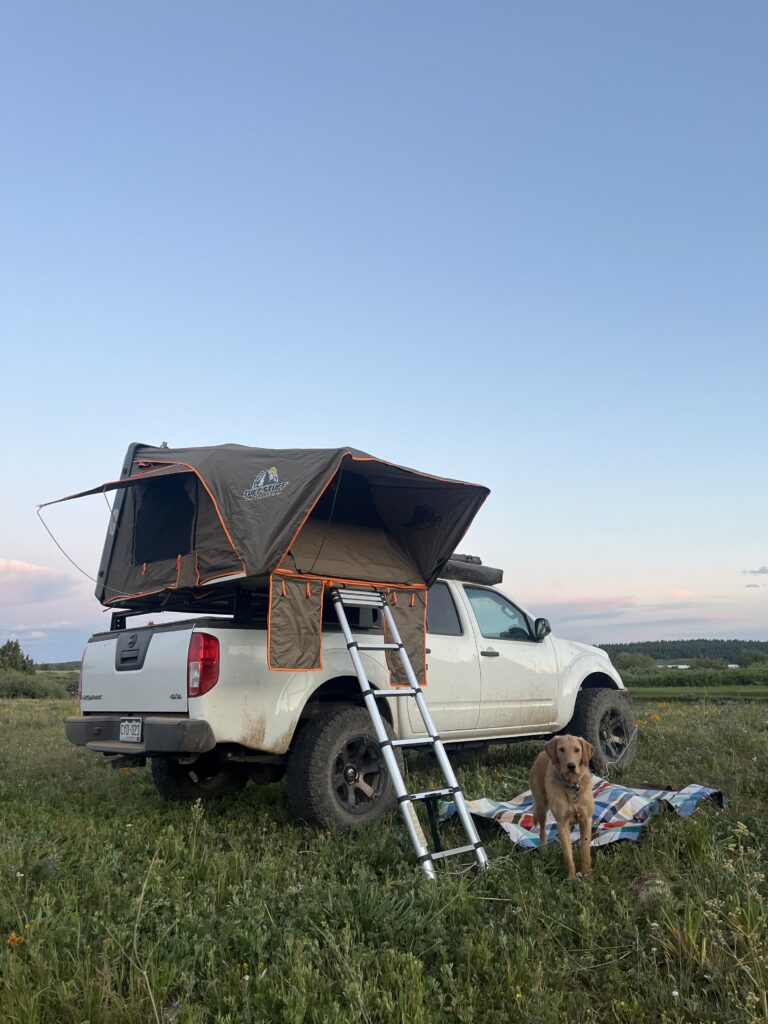
- Low entry cost. A good hard-shell RTT, like the Tuff Stuff (seen above) runs $1,500-$4,000. That’s real money but it’s the lower end of the off-road camping gear spectrum.
- Keeps your vehicle nimble. You’re not towing anything. Technical trails, tight switchbacks, parking in town, none of that changes.
- Gets you off the ground. Away from bugs, moisture, small animals, and the uneven ground that makes tent sleeping miserable.
For weekend trips to accessible spots, solo travel, or someone just getting into overlanding, a rooftop tent is a legitimate answer. We’re not going to tell you otherwise.
Where RTTs Start Breaking Down
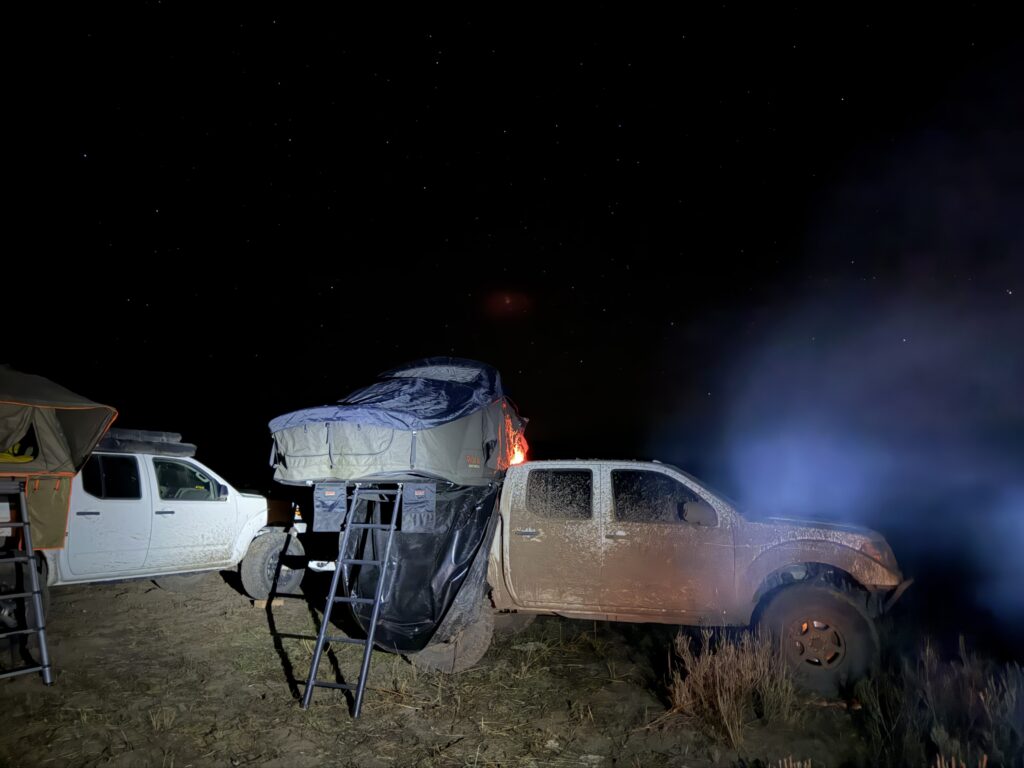
Now the real talk. Because after a while, after a few longer trips, a few cold nights, a few moments of really thinking about what you need, the limitations of an RTT get hard to ignore.
1. You’re Sleeping in Your Gear
An RTT is a sleeping platform. That’s it. Everything else, cooking, sitting, storage, shelter from weather, still lives in or around your vehicle. Your truck bed is your gear locker. Your tailgate is your kitchen. When it rains, you’re eating inside the cab of your truck or huddled under a side awning.
A week-long hunting trip, a 5-day family overland, a multi-week expedition, the lack of dedicated living space stops being manageable and starts being the reason you cut trips short.
2. Temperature Management Is Brutal
Insulation in an RTT is minimal. The aluminum or fiberglass shell conducts cold like a radiator. In shoulder-season or high-elevation camping, which is where the best spots are, you’re fighting the cold all night with sleeping bag ratings instead of R-value insulation and a real heating system.
Get up before dawn to go hunting and your RTT is whatever temperature it is outside. Wet gear stays wet. There’s nowhere warm to stage.
3. Your Vehicle Is Always Committed
When your shelter is on your roof, your vehicle is your shelter. Need to make a run for water or supplies? Better pack up camp first. Want to day-hike away from camp without the truck? Same problem.
With a trailer, you drop it at camp and go. The vehicle is free. This matters more than most people realize until they’ve needed it.
4. Storage and Organization Break Down on Long Trips
An RTT adds a sleeping space but zero storage. Your gear is still stuffed in the truck, in coolers in the bed, in bags piled wherever they fit. After a few days, you’re digging for things. The organizational chaos of a packed truck on a long trip is real, and an RTT does nothing to solve it.
5. Weight on Your Roof Hurts Handling
A quality hard-shell RTT weighs 100-180 lbs on your roof rack. That’s at the highest possible point on your vehicle. It raises your center of gravity, increases body roll, and affects handling — especially on sidehill terrain, which is exactly the terrain overlanders drive. Most people don’t notice it until something dynamic happens.
What an Off-Road Trailer Changes
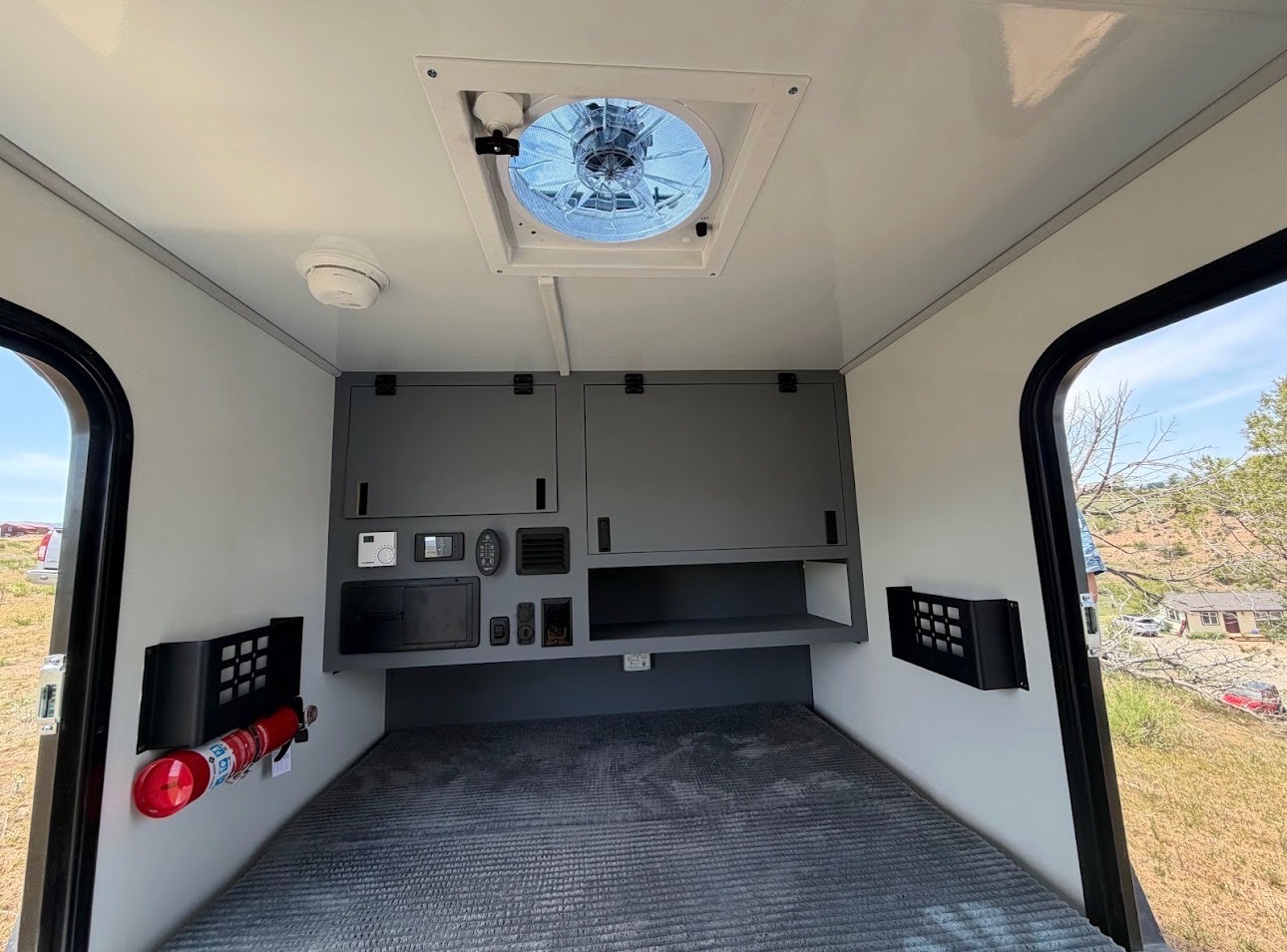
A purpose-built off-road trailer doesn’t just add a sleeping space. It adds a fully separate living system that travels behind your vehicle without changing what your vehicle can do.
A Real Four-Season Habitat
The ROCH Pro is built with 2-inch R-9 insulated composite walls, a Dometic 12,000 BTU forced-air propane furnace, and a Dometic Fan-Tastic roof vent with a rain sensor. It’s a genuinely warm, dry place to be — not a sleeping bag test. When you wake up at 4 a.m. before a hunt in 18-degree weather, you wake up in a warm cabin, not in a frozen shell on top of your truck.
A Full Kitchen, Not a Tailgate
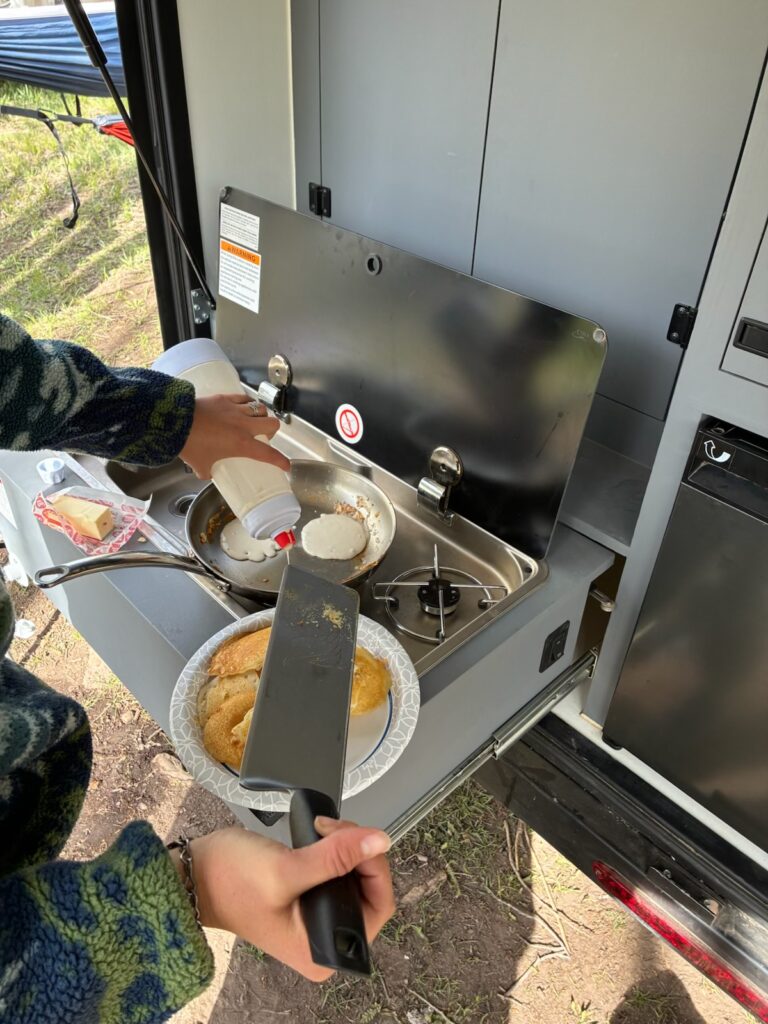
The rear galley on the ROCH Pro slides out to a 7,900 BTU stainless cookstove, a stainless sink, a 36-inch counter, and a Dometic 55L fridge/freezer. That’s a functional kitchen. After a hard day, you’re making real food, not nuking a pouch on a camp stove between your knees.
Energy Independence
A 200Ah LiFePO4 lithium battery bank, 110W solar, alternator charging, and a 2000W pure sine inverter means you’re running full systems for a week without worrying about power. Your RTT runs off whatever your phone battery and a headlamp have left.
Your Vehicle Stays Free
Unhitch at camp. Drive wherever. Day trips, resupply runs, shuttle logistics — all of it without breaking down your sleeping setup. This alone is worth the trailer to people who’ve actually needed to do it.
Payload for Real Loads
The ROCH Pro has 1,350 lbs of payload capacity. Meat from a successful hunt, gear for a week, water, food — it carries it without blinking. An RTT adds sleeping space and zero cargo capacity.
Rooftop Tent vs Off-Road Trailer: The Honest Side-by-Side
Here’s the real comparison, no spin:
When you break down rooftop tent vs off-road trailer side by side, the differences go way beyond sleeping comfort.
Weight on tow vehicle: RTT adds 100-180 lbs to your roof. Trailer adds zero to your roof and 880-2,150 lbs behind you (ROCH Chassis to ROCH Pro curb weight). Different tradeoffs, not one obviously better.
Off-road access: RTT gives you full access — your rig goes wherever the truck goes. Trailer limits you to trails you can tow on, but an axle-less setup with 18″+ clearance gets you much further than most people think.
Living comfort: Trailer wins, no contest, especially on multi-day trips.
Cost: RTT wins at entry level. Quality off-road trailer is a larger investment that pays back in trip length, comfort, and capability.
Cold weather: Trailer wins by a wide margin. R-9 insulation and a 12K BTU furnace vs a shell and your sleeping bag rating.
Setup time: Trailer wins for pure speed. Pull up and done. Maybe unhitch, level, open galley, done. RTT still fast.
Vehicle-free day trips: Trailer wins. RTT keeps the vehicle committed.
So Which One?
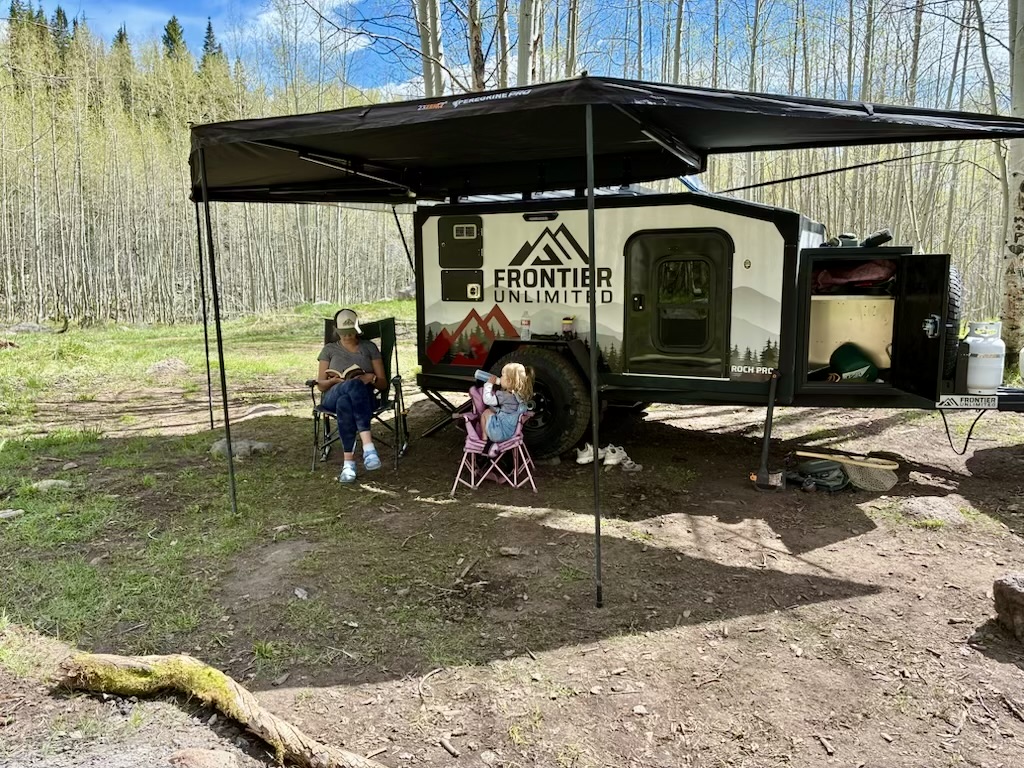
If you’re just doing weekenders, staying accessible, traveling solo or as a couple, and on a restrictive budget, an RTT is a legitimate choice. We’re not going to talk you out of it.
If you’re doing multi-day trips, hunting or fishing trips, camping in unpredictable weather, feeding multiple people, aging, or simply tired of cold nights and disorganized gear, you already know the answer. The trail conversation always ends the same way.
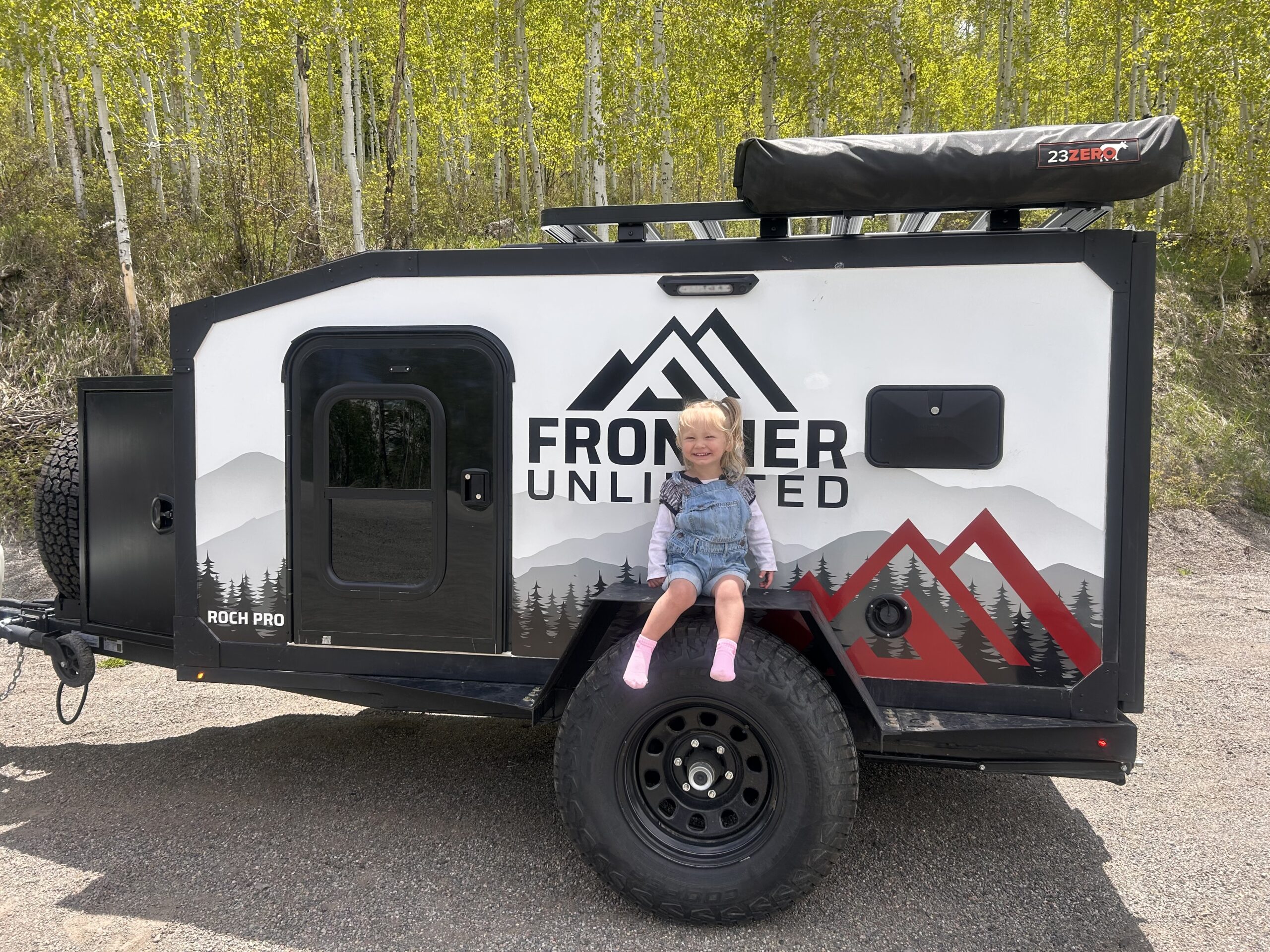
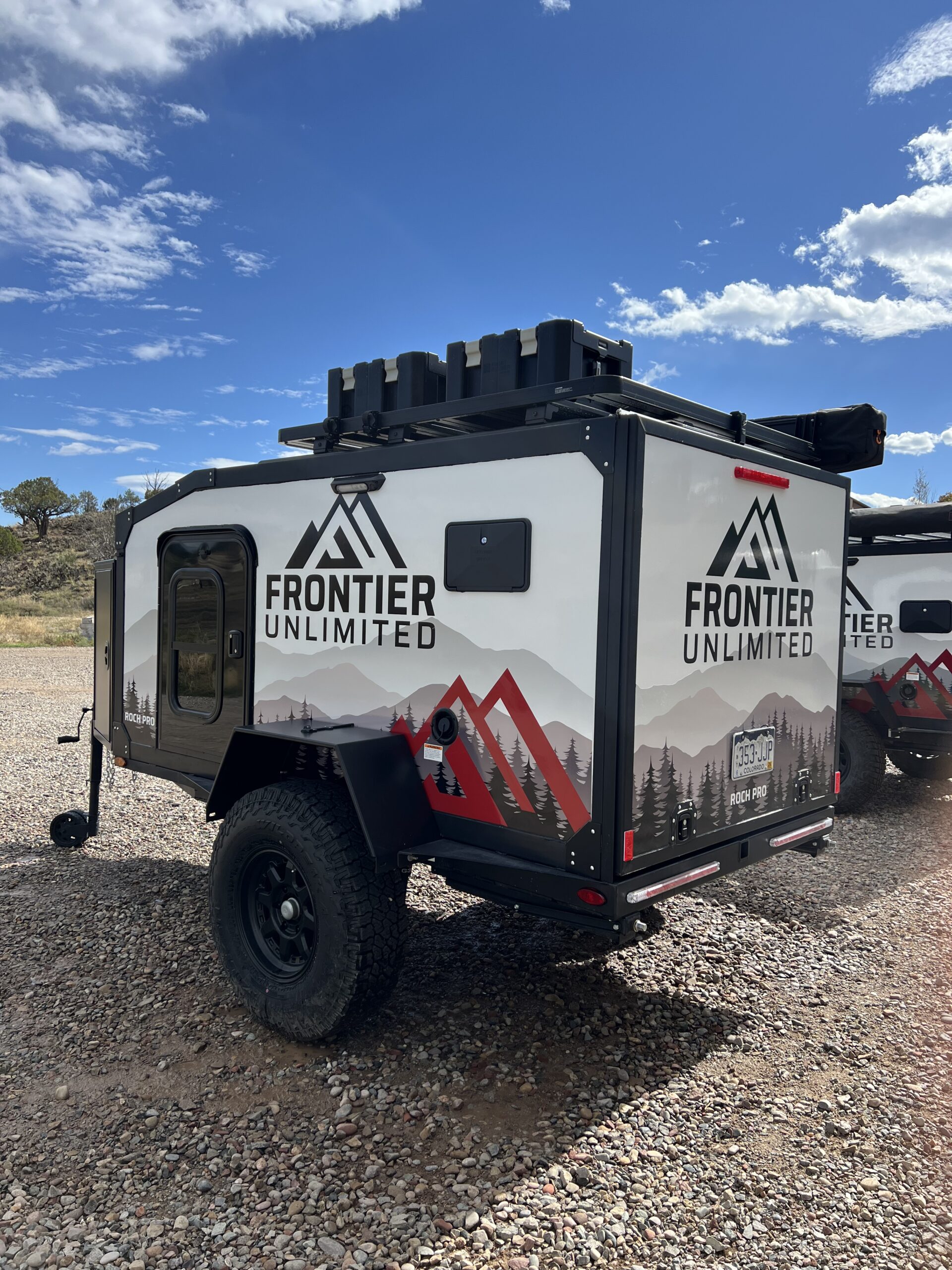
Start with the ROCH Pro here if you want the full build. Compare all three ROCH models here. If you just want the platform and you know what you’re doing, the ROCH Chassis is here.
But if you are asking us, we will tell you, we moved on from RTT’s. So, our advice is … Stop sleeping on your roof. Build a real camp.
Leave a Reply